Historical Background
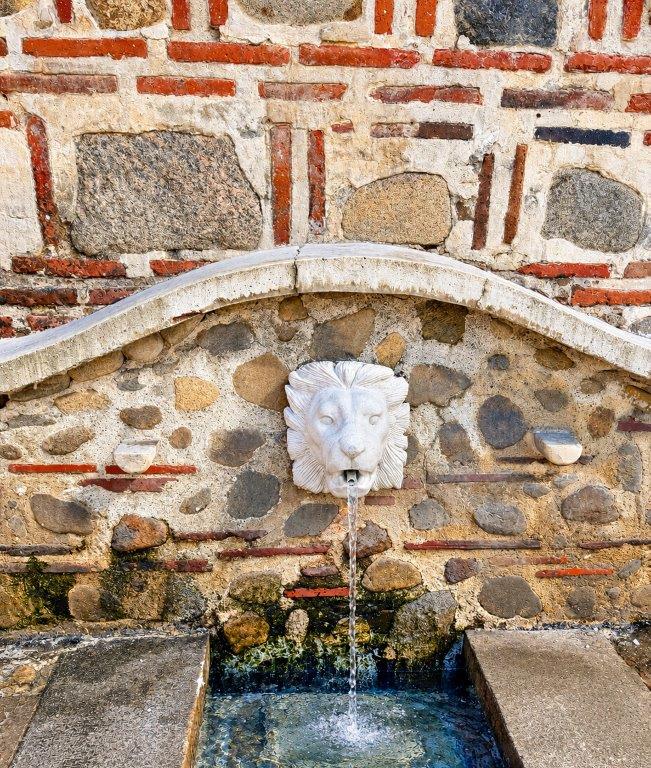
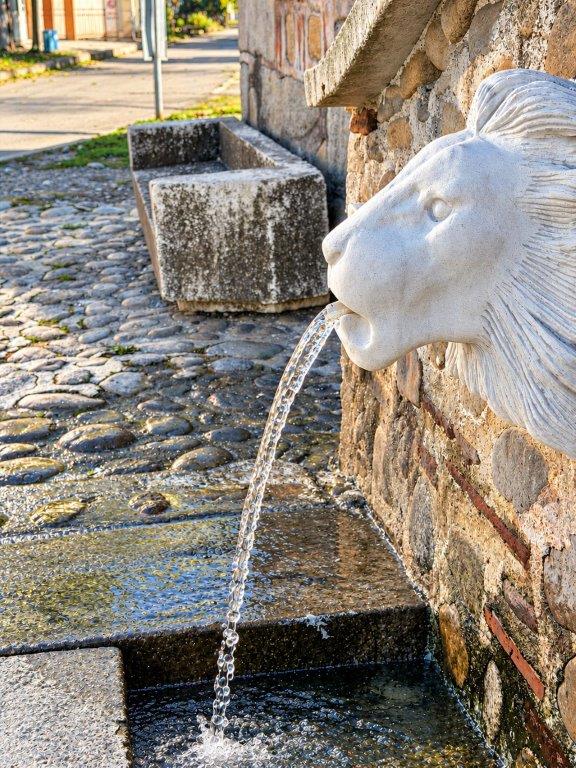
The ancient name of the town, Pautalia, means “City of Springs” and reflects the importance of its mineral waters. These springs attracted people to the area in antiquity, contributing to the establishment of a Thracian settlement and its later development into an important Roman city.
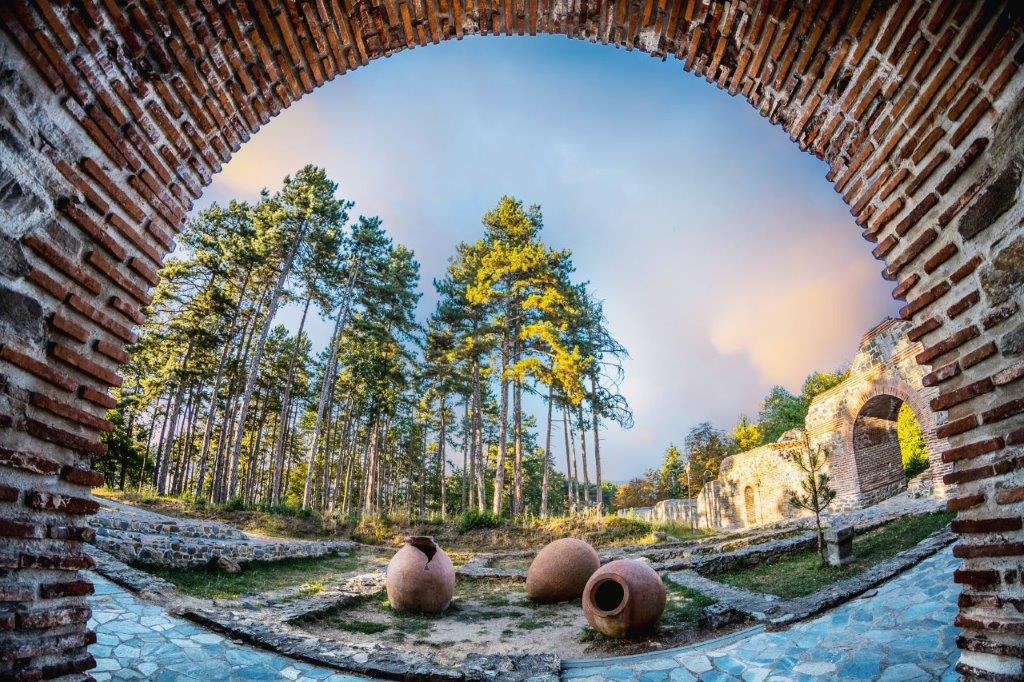
The Roman baths of Pautalia, also known as the Asclepion, are the oldest discovered and partially studied bath complex in the town. Dating back to the beginning of the 2nd century, they were built over mineral springs. Their impressive scale and layout suggest an imperial-type bath complex, with gardens, sports halls and public spaces. Marble floors and walls, decorative cornices, pilasters, niches and pools reflect its former grandeur.
According to legend, Emperor Ulpius Trajan was advised by a local healer to use the mineral springs to relieve a persistent skin condition. After recovering, he declared that the town should be called Pautalia – the City of Springs. Whether legend or historical memory, the story reflects Kyustendil’s longstanding connection with its healing waters.
Traces of Roman heritage can still be found throughout the town, offering a glimpse into a past closely linked to the mineral springs.
The Mineral Waters – The Heart of Kyustendil
The soul of Kyustendil is deeply connected to its mineral springs – a natural treasure that has shaped the city’s identity for more than 2,000 years.
The town is home to more than 40 mineral springs, characterised by high temperatures, low mineralisation and a rich content of sulphur and fluoride. Their waters have traditionally been used for balneotherapy and rehabilitation.
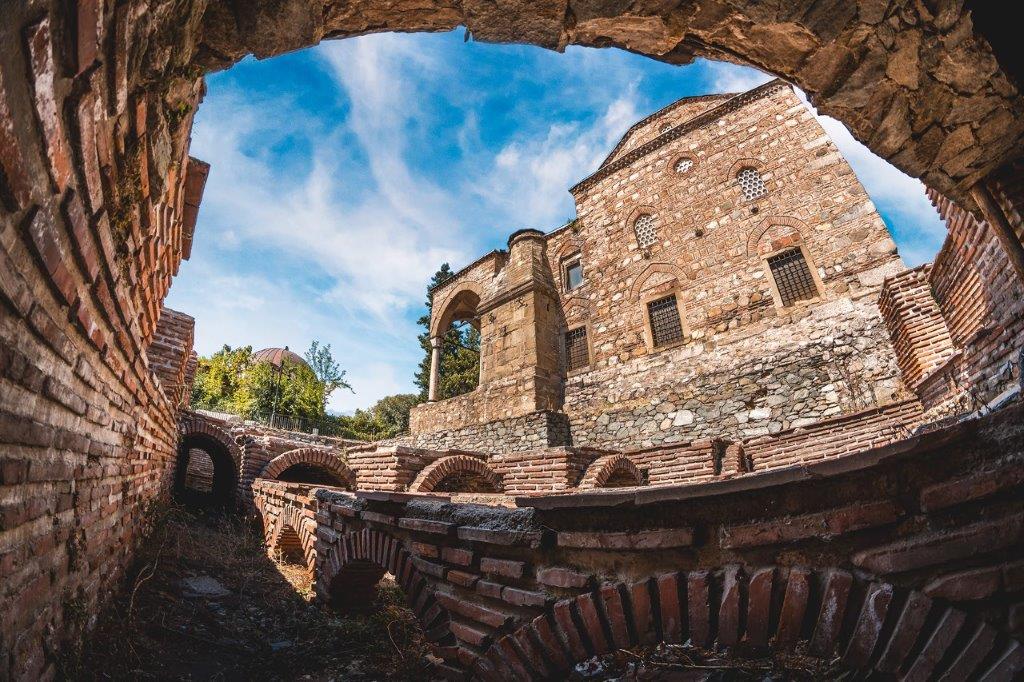
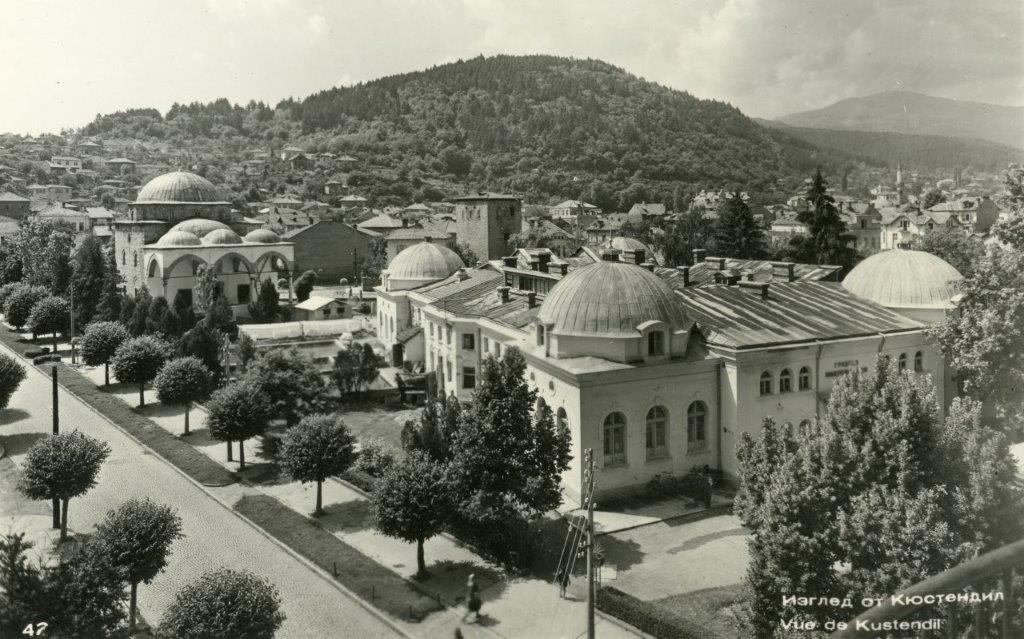
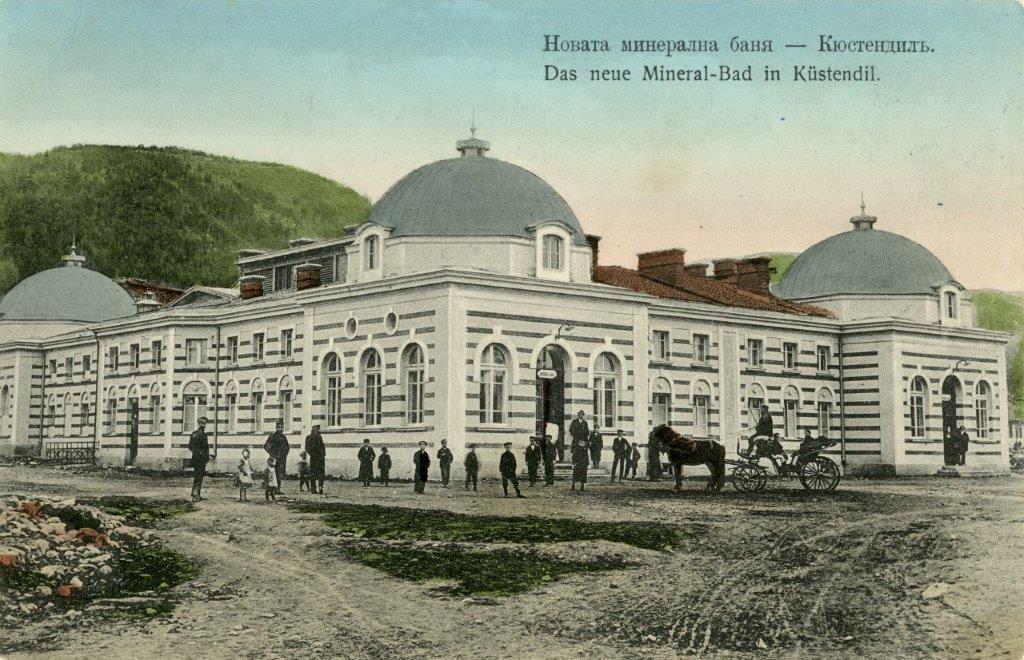
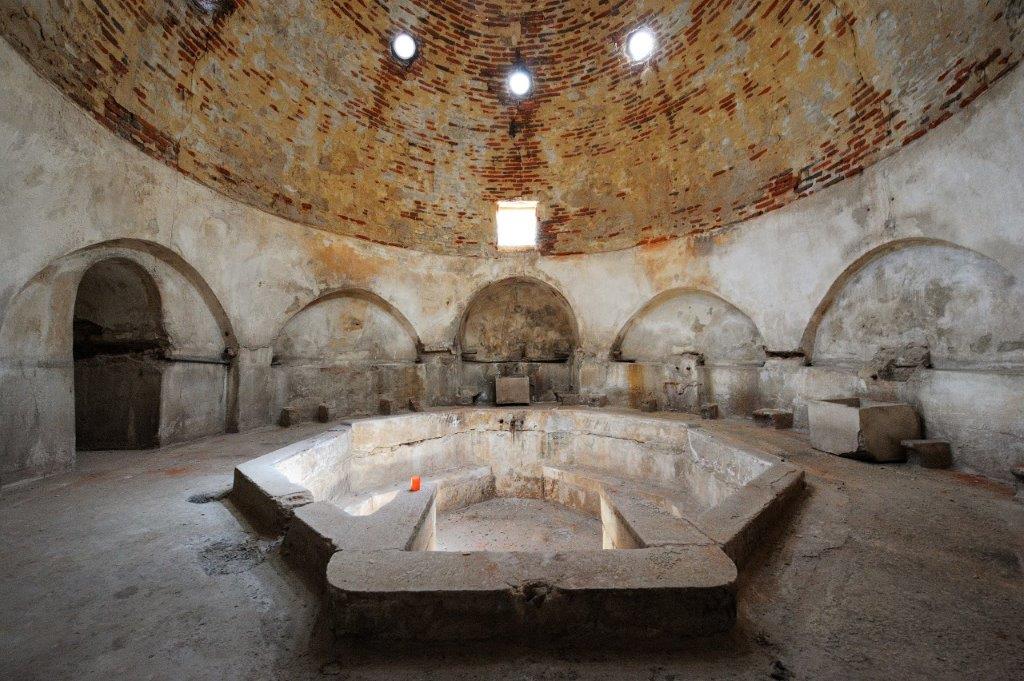
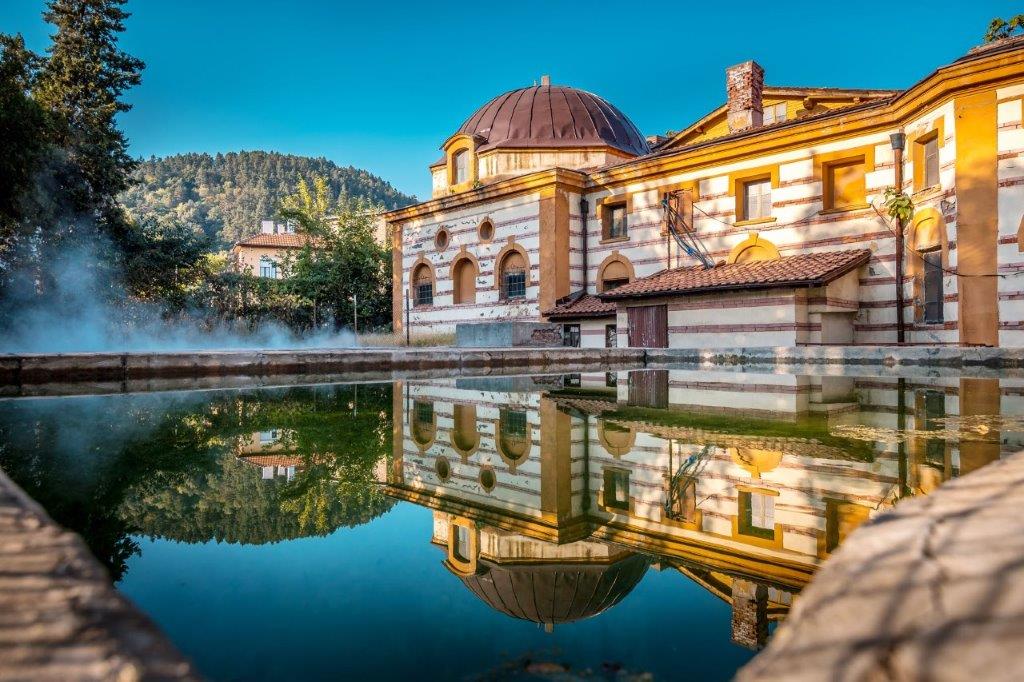
Systematic development of the mineral springs began in 1910–1911. Three historic bathhouses – Chifte, Alay and Dervish – preserve the town’s thermal tradition. Chifte and Alay Baths were built on the sites of Roman baths, in 1911 and 1928 respectively, while Dervish Bath occupies an Ottoman building dating back to the mid-16th century.
The establishment of the Resort Polyclinic in 1966 marked an important step in modern balneotherapy in Kyustendil. Today, Chifte and Alay Baths continue to welcome visitors, connecting contemporary spa experiences with a centuries-old tradition.
Nature and Climate Therapy
Kyustendil’s location between mineral springs and mountains offers excellent opportunities for relaxation and outdoor activities. Just a 20-minute drive from the town centre, the Osogovo Mountains attract visitors throughout the year. Osogovo Ski Centre offers six runs of varying difficulty, while the warmer months are ideal for hiking and enjoying the mountain scenery.
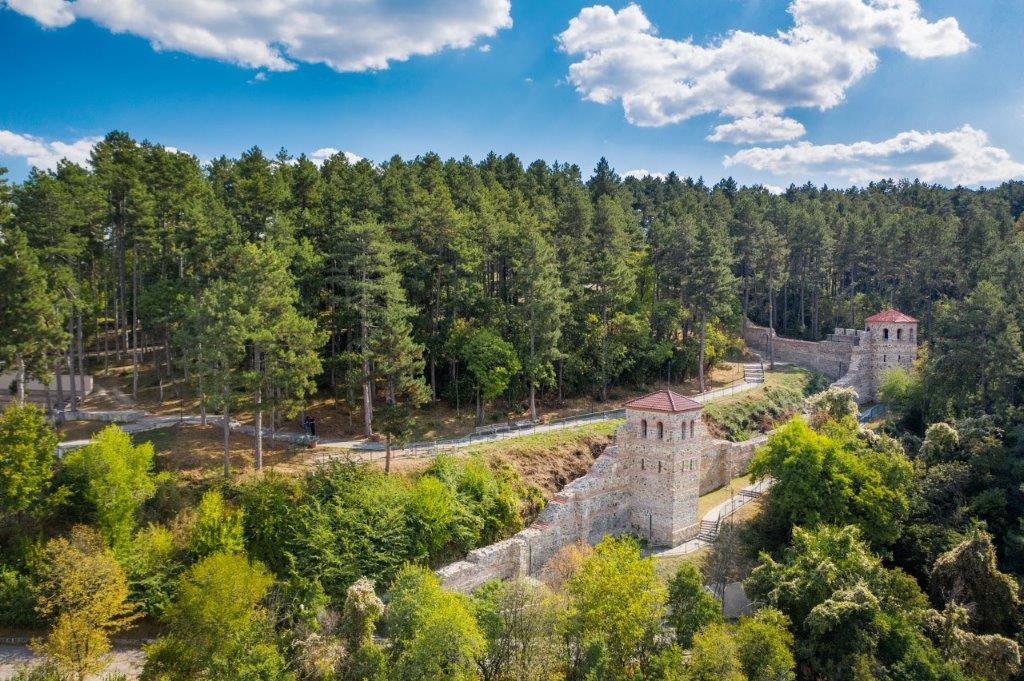
Above the town, Hisarlaka Hill combines fragrant pine forests, fresh air and historical landmarks. In the 1930s, French pulmonary specialist Dr Jankin and a team of experts studied the area’s bioclimatic characteristics, recognising its potential for climate therapy.
At the highest plateau stands Hisarlaka Fortress, built between the late 4th and early 5th centuries. Overlooking Kyustendil, it is a reminder of the town’s strategic importance through the centuries and offers impressive panoramic views.
Culture and Traditions
Kyustendil has a rich calendar of cultural events rooted in its traditions, natural heritage and artistic identity. Celebrations honour the mineral springs, the abundance of the orchards and the region’s cultural life.
Throughout the year, festivals, competitions, national arts awards and plein-air events bring together residents and visitors. More than ten festivals, alongside musical, literary and artistic initiatives, make the town a lively cultural destination in every season.
Art and the Legacy of Vladimir Dimitrov – The Master
Kyustendil is the hometown of Vladimir Dimitrov – The Master, one of Bulgaria’s most celebrated painters. Inspired by the people, landscapes and traditions of the region, his work is known for its vibrant colours, expressive portraits and vivid depictions of Bulgarian rural life.
The Vladimir Dimitrov – The Master Art Gallery, the first purpose-built art gallery in Bulgaria, houses more than 1,350 original works and is among the town’s most important cultural landmarks.
Discover Kyustendil
With its ancient thermal heritage, historic baths, mountain landscapes, cultural traditions and artistic treasures, Kyustendil offers something distinctive in every season. Here, the legacy of the past remains part of everyday life, while the natural gifts that shaped the town’s history continue to welcome visitors today.