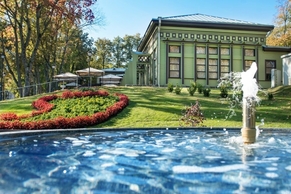
Birštonas was first mentioned in written sources in 1382. The settlement developed around its mineral springs and its location near the Nemunas River. In the 19th century, Birštonas became known as a spa resort, with the opening of the first mineral-water treatment facilities in 1846. The resort experienced significant growth in the late 19th and early 20th centuries, and further development took place during the interwar period and the Soviet era. After the restoration of Lithuania’s independence, Birštonas was modernized and developed into one of Lithuania’s leading health, wellness and tourism resorts. Today, Birštonas is a resort town and municipality known for its mineral springs, spa and rehabilitation services, natural environment, cultural attractions and tourism infrastructure.
Birštonas has a long tradition of using natural mineral waters for health and therapeutic purposes. The healing properties of the local mineral springs were recognized as early as the 19th century, and the first organized spa treatments began in 1846, when the first mineral-water treatment facilities were established.
During the 19th and early 20th centuries, Birštonas developed into an important Lithuanian balneological resort. Mineral water was used for bathing, drinking treatments and various therapeutic procedures, particularly for the treatment and rehabilitation of musculoskeletal, digestive and nervous-system disorders.
The resort expanded significantly during the interwar period, when new treatment facilities and infrastructure were developed. After World War II, Birštonas continued to grow as a major health resort and sanatorium centre, with mineral-water treatments becoming an important part of rehabilitation.
Today, Birštonas continues this tradition through modern spa, rehabilitation and wellness centres. Natural mineral water is used for drinking cures, therapeutic baths and other procedures, combining the historical traditions of balneology with modern health and wellness services.


